

Ebservant is reader-supported: some links on this page are affiliate links, and as an Amazon Associate Ebservant earns from qualifying purchases at no extra cost to you. Learn more.
Home theater seating provides a dedicated, reclining space for watching movies or gaming in a home environment. A buyer needs a dedicated viewing area for 3 or more people before purchasing multiple chairs, as a single large sofa often lacks the individual recline depth required for long viewing sessions. You should measure your available floor space to ensure a 36-inch clearance behind the seat for full recline before deciding on a configuration.
If your room is tight, browse our guide to compact seating for the best layout.
Can a standard living room sofa replace home theater seating?
A standard living room sofa can replace home theater seating if the primary goal is shared seating for 2 to 4 people in a multi-purpose space. These sofas typically offer a deeper seat and wider dimensions, allowing for a “lounge” experience rather than a “cinema” experience. Because they lack individual motors and independent headrests, they are often more cost-effective for households that prioritize a social layout over a dedicated theater layout.
You can upgrade your comfort by finding the top-rated premium leather models for a luxury feel.
How floor space requirements change for a sofa
A living room sofa occupies a large, continuous footprint that may limit the number of people who can sit in a row. If your room is narrow, a sofa might block walkways, whereas individual theater recliners can be spaced to allow for side-access. You should measure your room’s width to see if you can fit a 90-inch sofa or if you need to stagger chairs in a 3-2-1 configuration.
Larger groups can find the most suitable seating for big families to ensure everyone has a spot.
The cost trade-off between sofa and theater seating
Living room sofas often have a lower price point per seat compared to motorized cinema seating. However, sofas lack the specific foam densities required to prevent “bottoming out” during long periods of sitting. A sofa is a viable alternative when the budget does not allow for the 20% to 40% premium typically associated with motorized recline mechanisms.
Travelers on a budget should view affordable loveseat options for RVs to maximize their space.
Where these choices show up in our reviews
3 options shown here, $879.99 to $2149.99, each with its own full review behind its name.
For those seeking extra features, see our comparison of heated massage recliners to find the best tech.


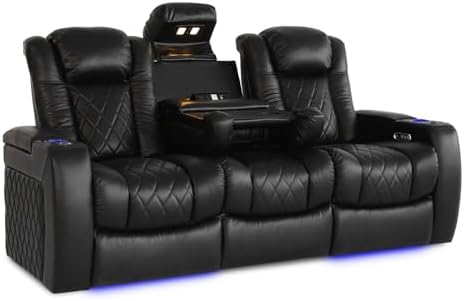
What are the benefits of secondhand theater seating?
Secondhand theater seating provides a way to acquire high-end cinema seating at a lower cost than new retail units. This route often involves sourcing “refurbished” models where the internal motors and fabric have been inspected and replaced. It is a viable option for those who want the specific feel of commercial-grade seating but do not need the latest aesthetic designs or smart features.
Make sure you understand the standard home theater seat warranties before making your final purchase.
How the refurbishment of used seating works
A buyer should confirm if the upholstery is original or replaced, as original fabric on a used unit may have lost its structural integrity. If the motor is original and has high cycle counts, the seat may have a shorter remaining lifespan than a new unit.
Clarify technical jargon by looking at common theater seat specs explained for a simpler shopping experience.
The risks of sourcing used cinema chairs
Sourcing used seating involves the risk of finding units with “frame torque,” where the metal base flexes or creaks under weight. To avoid this, look for units with heavy-gauge steel frames rather than wood-based supports. A used chair becomes a poor choice if the electrical components are not included or if the wiring is too short to reach a standard wall outlet.
Beginners can learn the basics by reading how home theater seats work to understand the mechanics.
To ensure a comfortable fit, see how to choose the right seat width for your personal space.
Do smaller armchairs work for a home theater?
Smaller armchairs work as a home theater alternative when the room size limits the footprint of a full-sized recliner. These chairs provide a “perch” for short-duration viewing, such as watching news or a single episode of a show. They are ideal for secondary seating in a room where the primary seats are already occupied.
Explore the different configurations by viewing various types of theater seats available on the market.
Weight capacity limits of smaller chairs
They also lack the “power lumbar” support that maintains posture during a 2-hour movie. If you plan to sit for more than 60 minutes, a small armchair may cause discomfort due to a lack of proper contouring.
Proper sizing is key, so study how to select the correct seat depth for your frame.
Using armchairs in a multi-zone layout
Armchairs allow for a flexible layout where chairs can be moved easily to clear a path. A common mistake is placing an armchair too close to the screen, which can cause neck strain because these chairs lack the high-back support of a cinema seat. Position the chair at least 8 feet from the screen to maintain a comfortable viewing angle.
For a deep dive into that specific model, see our full Weilianda Zero Gravity Recliner review.
Is renting event seating a viable alternative?
Renting event seating is an alternative for one-time events, such as a private screening or a large party, where the cost of ownership is not justified. This involves hiring chairs from a local rental house that provides delivery and setup. It eliminates the need for long-term storage and maintenance of heavy furniture.
You can find detailed specs in our full Charles RV Recliner review for mobile setups.
Logistics of renting for home use
Renting seating works best when the event is held in a space that can accommodate 10 or more people at once. Because rental chairs are often “stackable” or “folding” types, they lack the reclining functionality of home theater seating. This route stops making sense if you require a comfortable, reclining experience for a recurring weekly movie night.
Check out our full SAMERY RV Loveseat review to see how the console functions.
Comparison of home theater seating alternatives
| Alternative | Who it suits | Main advantage | Where it breaks down |
|---|---|---|---|
| Living room sofas | Families needing multi-purpose seating | Larger shared surface area | Lack of individual recline |
| Secondhand seating | Budget-conscious enthusiasts | Lower cost for high-end specs | Risk of motor wear |
| Smaller armchairs | Small rooms or secondary seating | Small footprint | Limited weight and support |
| Renting event seating | One-time private screenings | No long-term ownership cost | No reclining functionality |
When is buying home theater seating the right answer?
Buying home theater seating is the right answer when you require a dedicated, high-comfort environment for frequent, long-duration viewing. This choice is appropriate if you have a dedicated room where you can accommodate a 36-inch clearance behind the seat for full recline. It is also the correct choice when you need specific features like power headrests or “power lumbar” support to maintain comfort over 2 hours or more. If your viewing habits involve more than 3 hours of sitting per week, the structural integrity and specialized foam of a dedicated theater chair provide a level of support that sofas and armchairs cannot match.
Discover the build quality in our full Seatcraft Anthem Loveseat review for premium leather seating.
More movie room chair explainers and comparisons
- Home Theater Seating with Tray Tables Compared
- Choosing the Best Home Theater Seating for Large Families
- Relaxing in an RV or Van with Loveseat Recliners Under $1000
- Best Home Theater Seating for Gaming
- Power Recliners with Massage and Heat Compared
- Choosing the Best Space-Saving Home Theater Seating