

Ebservant is reader-supported: some links on this page are affiliate links, and as an Amazon Associate Ebservant earns from qualifying purchases at no extra cost to you. Learn more.
Mixing console warranties typically span a range of 1 to 3 years, with the single most common reason for a refused claim being physical damage caused by improper handling or environmental factors like liquid ingress. You need a documented manufacturing defect to qualify for a standard claim, as most manufacturers distinguish between internal component failure and external physical wear. If you operate in a high-humidity or high-dust environment, you should verify if the warranty covers specific environmental protections or if it is limited to internal circuitry only.
What a Mixing Console Warranty Usually Covers and Excludes
A mixing console warranty provides a legal guarantee that the internal electronics and primary processing components will function as specified for a set period. Because these units are complex systems of surface-mounted components and integrated circuits, the coverage usually focuses on the “brains” of the desk rather than the physical surface or external connectors.
Typical coverage includes:
If you prefer mobile operation, see the best digital mixer for tablet control.
- Internal processing units and digital signal processing (DSP) chips.
- Power supply units and internal voltage regulators.
- Soldered surface-mount components on the main circuit boards.
- Manufacturing defects in the internal wiring looms.
Typical exclusions include:
- Liquid damage from spills on faders, knobs, or the control surface.
- Physical damage to the chassis, including dents, cracks, or broken handles.
- Wear and tear on moving parts like faders, encoders, and rotary switches.
- Damage caused by improper power connections, such as using incorrect voltage.
- Modifications made by third-party technicians or unauthorized hardware additions.
Distinguishing between manufacturing defects and normal wear on mixing console parts
A warranty is like a car’s engine guarantee: it ensures the motor runs, but it does not cover the tires wearing down or a dent in the bumper. If a fader becomes scratchy due to heavy use, this is considered a wear item rather than a manufacturing defect. Failing to recognize this distinction can result in a rejected claim for a part that is simply reaching the end of its physical life cycle.
For premium processing, view the best compact mixer with lexicon effects.
Examples from this category, each with its own review here
3 options shown here, $104.68 to $509, each with its own full review behind its name.

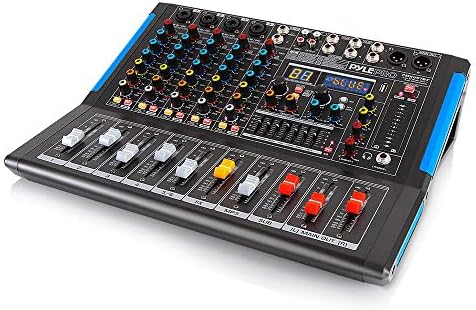

How Coverage Changes Based on Where You Buy the Mixing Console
How coverage changes based on where you buy the mixing console depends entirely on the chain of ownership and the legal entity that holds the right to authorize repairs. Each purchase channel creates a different path for a claim, and understanding these paths determines how quickly a unit can be returned to service.
Remote setups are easier when you find the best bluetooth audio mixer for mobile use.
Buying directly from the manufacturer usually provides the most direct path to a claim, as the maker handles the assessment without a middleman. In this scenario, the manufacturer oversees the entire process from the moment a fault is reported until the unit is repaired or replaced.
How purchasing from an authorised retailer affects the repair timeline
Purchasing from an authorised retailer typically involves a tiered process where the retailer acts as the first point of contact. The retailer receives the unit, performs an initial inspection, and then forwards the claim to the manufacturer for approval. This can add several days to the repair timeline compared to a direct-from-maker path.
Producers can find the best small audio mixer for home studio projects.
Complications of claiming a warranty from an independent marketplace seller
A marketplace seller often complicates the claim process because the seller may not be the manufacturer or an authorised dealer. If the seller is an independent entity, you may have to deal with their specific return policy rather than the manufacturer’s warranty. This can lead to significant delays or the requirement to ship the unit to a different location for inspection.
Limited warranty coverage provided by refurbished or open-box sellers
Buying from a refurbished or open-box seller usually involves a separate, limited warranty provided by the seller rather than the original manufacturer. These warranties often have shorter durations and may only cover specific components. If the original manufacturer’s warranty has already expired, the seller’s coverage is often the only protection available.
Ensure your setup is sufficient by checking required power output for mixing consoles.
Risks of seeking a warranty for grey-market mixing console imports
An importer or grey-market seller provides the highest risk for a mixing console warranty claim. Because these units were not intended for your specific region, the manufacturer may refuse to honour the warranty at all. You might find that the manufacturer will not provide parts or service for a unit that lacks the proper regional certification, potentially leaving you with no recourse for a hardware failure.
Actions That Void a Mixing Console Warranty
Actions that void a mixing console warranty involve any modification or environmental exposure that deviates from the manufacturer’s specified operating conditions. Because mixing consoles are precision instruments, even small changes to the internal hardware can be flagged as a violation of the warranty agreement.
Learn about required sampling rate for mixing consoles for high-fidelity audio.
How opening the mixing console chassis voids the manufacturer warranty
Opening the chassis to perform any internal maintenance, even if intended to fix a minor issue, typically voids the coverage immediately. Most manufacturers use tamper-evident seals or internal markers to check if the housing has been breached. If a technician opens the unit to clean the internals and a component fails later, the manufacturer may refuse to cover the repair.
Voiding the warranty by modifying internal mixing console hardware
Modifying the hardware, such as soldering in additional inputs, changing the power requirements, or installing third-party expansion cards, also voids the warranty. These changes can alter the electrical load on the main board, potentially leading to failures that the manufacturer will not accept as manufacturing defects. If you need more inputs, it is safer to use an external expansion unit than to modify the internal circuitry.
You should verify required bit depth for mixing consoles before purchasing.
How environmental moisture and dust void mixing console coverage
Environmental exposure is a major factor in voiding coverage for mixing consoles. Operating the unit in a way that allows moisture or dust to enter the internal components will result in a rejected claim. This is why many professional environments require the use of dust covers and humidity controls; a failure caused by a dusty environment is a maintenance issue, not a manufacturing flaw. If the internal boards show signs of oxidation or debris, the warranty is usually voided.
What to Keep and Do Before Buying to Ensure a Future Claim Works
What to keep and do before buying to ensure a future claim works involves establishing a paper trail and documenting the condition of the unit the moment it arrives. Taking these steps ensures that you can prove a fault is a manufacturing defect rather than a result of your own use.
Determine your needs by looking at required number of outputs for mixing consoles.
Follow these steps before and during the initial setup of your mixing console:
- Keep the original packaging and all included accessories for at least the duration of the warranty period.
- Record a video of the unboxing and the initial power-on test to document the unit’s condition upon arrival.
- Save the digital or physical copy of the original invoice, ensuring it shows the date of purchase and the serial number.
- Document the serial number of the unit immediately and keep it in a dedicated file for your equipment.
- Keep a log of any firmware updates performed and the dates they were applied to the device.
Documenting the initial condition of a new mixing console for claims
A buyer orders a new mixing console and receives it at their studio. They immediately record a video of the unit powering on and check that all faders move smoothly. They then store the original box and the receipt in a dedicated folder. If a component fails six months later, they provide the video and the receipt to the manufacturer to prove the unit was functional upon delivery and has been well-maintained.
View our spec breakdown of the Pyle PMXU67BT Mixer specs.
If you fail to keep the original receipt or the serial number documentation, you may find it impossible to prove the unit was purchased within the warranty window. This mistake can result in the manufacturer refusing to provide any service, forcing you to pay for repairs out of pocket or replace the entire unit.
When an Extended Warranty is Worth it for a Mixing Console
An extended warranty is worth it for a mixing console only if you operate in a high-risk environment where the risk of accidental damage or heavy wear is high. For most studio-based users, the standard manufacturer warranty is sufficient because the environment is controlled and the usage is less intensive.
Compare the technical capabilities of the DX12 Audio Mixer features.
Benefits of extended warranties for mixing consoles in touring environments
If you are using the mixing console in a touring environment, a rental house, or a public venue, an extended warranty can provide a necessary safety net. In these scenarios, the risk of someone bumping a fader or a power surge occurring is much higher than in a private studio. If the cost of the extended warranty is less than the cost of replacing the main processing board, it can be a justifiable expense.
Why studio owners may not need an extended mixing console warranty
Conversely, if you are a studio owner who keeps the equipment in a climate-controlled room and performs regular maintenance, an extended warranty is often unnecessary. You are better served by investing that money into high-quality dust covers and a reliable power conditioner. These items protect the hardware physically, whereas a warranty only protects you against internal electronic failures that may not occur frequently in a stable environment.