

Our Top 3 Picks for Gaming
The best qled tv for gaming is the TCL Q65 Series, which provides a 144 Hz native refresh rate for competitive players who need smooth motion on a massive screen.
We went through 10 Qled Tv options to build this list. These 3 are the ones worth your time.

#1 – TCL Q65 Series
Best for: users seeking a massive 98-inch screen for high-frame-rate gaming and sports.
Why the TCL Q65 Series is our #1 pick
- Listed at $1797.99 in November 2026 – premium among those compared; the price moves, so check it
- 4.3 rating from 2,459 ratings
Native Refresh Rate: 144 Hz · Screen Size: 98 Inches
Against the other picks on native refresh rate, pick #2 states 120Hz.
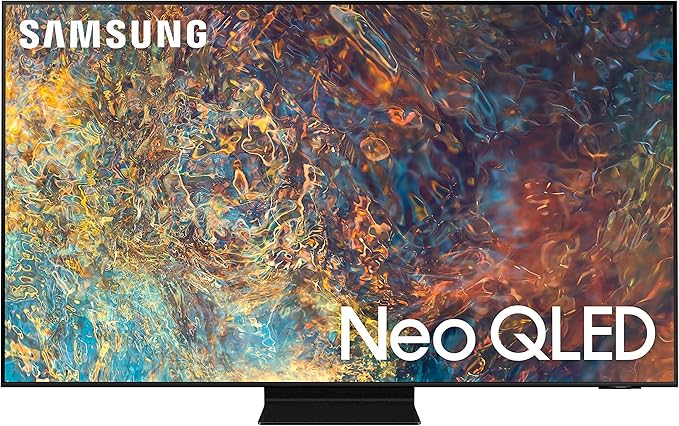
#2 – SAMSUNG QN90A Series
Best for: gamers who prioritize a premium flagship display with full array local dimming.
Why the SAMSUNG QN90A Series is our #2 pick
- Listed at $967.95 in November 2026 – mid-range among those compared; the price moves, so check it
- 4.4 rating from 1,886 ratings
Native Refresh Rate: 120Hz · Screen Size: 55 Inches
To put that native refresh rate in context, pick #1 states 144 Hz and pick #3 states 144 Hz.
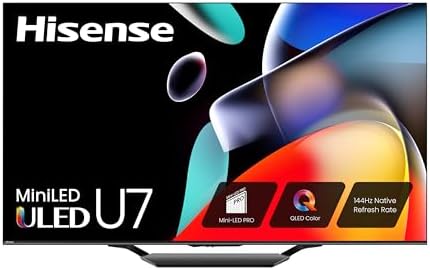
#3 – Hisense U7 Series
Best for: those seeking high-brightness HDR performance and a 144Hz refresh rate at a lower price point.
Why the Hisense U7 Series is our #3 pick
- Listed at $576.99 in November 2026 – entry among those compared; the price moves, so check it
- 4.4 rating from 1,296 ratings
Peak Brightness: 1500 nits · Native Refresh Rate: 144 Hz
For comparison on native refresh rate, pick #2 states 120Hz.
Our data-driven analysis is available if you want to see the Samsung Q60T spec breakdown.
How EB Servant picked: we started from the 200 most-reviewed qled tv listings in our retail dataset, removed duplicates, accessories, off-category products and 3 listings whose price did not fit their specifications, and 115 qualified. The picks on this page were selected from those 115 candidates against this topic’s requirements. The order of the picks reflects fit to this topic; each shows its rating and the number of ratings behind it, so you can weigh how much to trust it. Specifications come from manufacturer listings and ratings from verified Amazon buyer reviews (data checked November 2026).
Our Verdict and How We Chose
Choosing a gaming display often leads to a trade-off where a high refresh rate is sacrificed for a smaller screen size, potentially limiting your ability to play on a larger display. If you prefer a more compact flagship with a 120Hz refresh rate, the SAMSUNG QN90A Series is the alternative, while the Hisense U7 Series serves those seeking a 1500 nits peak brightness at a lower price point.
We selected these three models after screening 115 qled tvs (quantum dot light-emitting diode television) and comparing 10 models here at EB Servant. The shortlist covers a wide range of needs, with prices from $576.99 to $1797.99.
The median price of the 10 products in our comparison is $772.98.
Review the article scope to see which models were included in this list.
Follow the buying guide to learn how to choose the right display for your room.
See the audience checklist to find which TV best matches your specific gaming style.
You can also explore the Roku Select Series full review to see how this budget-friendly model performs.
What This Page Concludes About QLED TVs for Gaming
- Top pick: TCL Q65 Series at $1797.99 (Native Refresh Rate: 144 Hz).
- Also picked: SAMSUNG QN90A Series at $967.95; Hisense U7 Series at $576.99.
- We compared 10 QLED TVs, from $422.07 to $1797.99, median $772.98.
- Best buyer rating in the comparison: SAMSUNG Q70T Series at 4.6/5 from 3,301 ratings.
- Cheapest in the comparison that can play a competitive shooter at high frame rates: VIZIO Quantum Pro Series at $422.07 (120Hz).
QLED TVs for Gaming Compared Side by Side
| Product | Price | Rating | Native Refresh Rate | Screen Size |
|---|---|---|---|---|
| TCL Q65 Series | $1797.99 | 4.3 (2,459 ratings) | 144 Hz | 98 Inches |
| SAMSUNG QN90A Series | $967.95 | 4.4 (1,886 ratings) | 120Hz | 55 Inches |
| Hisense U7 Series | $576.99 | 4.4 (1,296 ratings) | 144 Hz | 64.5 Inches |
| TCL 75QM6K Mini LED QLED 4K Smart TV | $997.99 | 4.4 (1,646 ratings) | 144Hz | Not stated |
| Hisense U7 Series | $578 | 4.4 (1,296 ratings) | 144 Hz | 54.6 Inches |
| SAMSUNG Q70T Series | $1047.95 | 4.6 (3,301 ratings) | 120Hz | 65 Inches |
| SAMSUNG Q70T Series | $977.99 | 4.6 (3,301 ratings) | 120Hz | 55-inch |
| SAMSUNG Q70A Series | $497.99 | 4.4 (2,308 ratings) | 120 Hz | 64.5 Inches |
| SAMSUNG Q80A Series | $497.99 | 4.4 (1,828 ratings) | 120 Hz | 49.5 Inches |
| VIZIO Quantum Pro Series | $422.07 | 4.2 (1,578 ratings) | 120Hz | 50 Inches |
Prices are approximate and move frequently – check the current price before deciding. “Not stated” means the manufacturer listing does not give that figure – we do not estimate it.
Among our top picks, the value leader is Hisense U7 Series because it provides 144 Hz for $576.99.
Each Pick for Gaming, Reviewed in Detail
The 3 picks below are reviewed in the same order as the cards above.
TCL Q65 Series
The TCL Q65 Series made this list because it offers a massive 98-inch screen with a 144 Hz variable refresh rate, providing a high-end enthusiast experience for large-scale gaming.
What we like: The 144 Hz variable refresh rate provides smooth motion for high-frame-rate gaming and sports, surpassing the 120 Hz requirement for fluid movement. This model supports Dolby Vision, a high dynamic range (HDR) format that determines the visual fidelity of game assets by expanding the range of colors and brightness.
Keep in mind: The 120.2-pound weight makes this 98-inch display difficult to mount or move without professional assistance.
SAMSUNG QN90A Series
The SAMSUNG QN90A Series is a premium flagship choice that balances a 120 Hz refresh rate with advanced local dimming technology for high-contrast gaming.
What we like: This model features Full Array Local Dimming, which allows for better contrast control than edge-lit options. It includes a 120 Hz native refresh rate to ensure smooth motion in high-frame-rate gaming and sports.
Keep in mind: The Tizen smart platform differs from the Google TV interface found on other models in this comparison.
Hisense U7 Series
The Hisense U7 Series provides a high-brightness, high-refresh-rate option that balances performance with a competitive price point.
What we like: This model reaches a peak brightness of 1500 nits, which exceeds the 1000 nits minimum required to effectively display HDR10+ and Dolby Vision content. It also provides a 144 Hz refresh rate for smooth motion in gaming and sports.
Keep in mind: The 64.5-inch screen size is significantly smaller than the 98-inch TCL option, which may limit it for those seeking a theater-scale experience.
Is it worth paying the premium for a higher refresh rate over a standard 60Hz model?
Paying for a higher refresh rate is worth it for gaming because it reduces motion blur, which results from a 60Hz panel failing to keep up with fast-moving objects.
To decide if these models fit your space, measure your intended wall area and compare it against the screen sizes listed: 98 inches, 64.5 inches, or 55 inches. If your space is smaller than the dimensions of the 98-inch model, you will need to choose one of the smaller options.
The Specs That Decide a quantum dot TV for Gaming
Native 120Hz refresh rates ensure smooth motion in gaming
Look for a native refresh rate of at least 120Hz to ensure smooth motion in high-frame-rate gaming and sports. These figures meet the requirements for competitive gaming. While QD-OLED serves as the high-end benchmark for color purity and infinite contrast that QLED seeks to emulate, these models focus on high-speed panel updates to reduce motion blur.
Low input lag provides real-time responsiveness for gaming
Prioritize low input lag for real-time responsiveness, which measures how quickly the screen reacts to a controller or mouse. While specific millisecond values are not stated for these models, the presence of a 120Hz or 144Hz native refresh rate typically correlates with lower latency. The TCL Q65 Series, SAMSUNG QN90A Series, and Hisense U7 Series are all capable of playing a competitive shooter at high frame rates because they meet the 120Hz requirement.
HDMI 2.1 support enables 4K resolution and VRR
Verify that the TV supports HDMI 2.1 to allow for 4K resolution at high refresh rates and Variable Refresh Rate (VRR) support. The Samsung QN90A Series and Hisense U7 Series include features like AMD FreeSync Premium Pro, which indicates the necessary protocol support for modern consoles. The TCL Q65 Series also supports 144 Hz Variable Refresh Rate.
Variable Refresh Rate prevents screen tearing during gameplay
Ensure the TV supports VRR, which prevents screen tearing during gameplay by syncing the display’s update rate with the game’s output. The Hisense U7 Series states it supports VRR from 48Hz to 144Hz, and the TCL Q65 Series also supports 144 Hz Variable Refresh Rate. These features allow for smoother performance even when frame rates fluctuate. The SAMSUNG QN90A Series includes Motion Xcelerator Turbo+ 120Hz to assist with fluid motion.
HDR Processing Speed
Check for high peak brightness to ensure the TV can effectively display HDR10+ and Dolby Vision content, especially in bright rooms. The TCL Q65 Series and Hisense U7 Series both state Dolby Vision support, while the SAMSUNG QN90A Series states quantum hdr 32x. A user turns on a game with HDR enabled, the processor identifies high-contrast areas, and the backlight adjusts to maintain detail in highlights while preserving shadows.
The Jobs Buyers Ask About, Checked Against Each Pick
Each row is a job this page’s buyers ask about, worked out from each pick’s listed native refresh rate and a typical need for the job.
| What you want to do | What it takes | How each pick does |
|---|---|---|
| Play a competitive shooter at high frame rates | at least 120Hz | TCL Q65 Series: yes (144Hz); SAMSUNG QN90A Series: yes (120Hz); Hisense U7 Series: yes (144Hz) |
| Display smooth motion for live sports | at least 120Hz | TCL Q65 Series: yes (144Hz); SAMSUNG QN90A Series: yes (120Hz); Hisense U7 Series: yes (144Hz) |
The needs are typical figures for each job, not manufacturer claims, and each pick’s result is worked out from its listed specifications. Your own job’s figure is the one that decides.
Who Buys QLED TVs, and What It Really Costs
Who buys a QLED TV, and what each one needs
- Competitive FPS gamers — 120Hz native refresh rate (screen updates per second) for smooth motion
- Living room sports fans — HDMI 2.1 for 4K at 120Hz and VRR (variable refresh rate, matches game frame rate)
- Home cinema hobbyists — Mini LED for higher density backlight zones than standard QLED
- Console owners — HDMI 2.1 to support high-frame-rate gaming features
- HDR content viewers — 1000 nits peak brightness (maximum luminance of display surface) for HDR10+ and Dolby Vision
What a dot TV really costs, and where to buy one
What to budget for on top of the dot TV
- High-speed HDMI cables — required for 4K at 120Hz data throughput
- Wall mount hardware — needed for specific screen size and weight
- Soundbar — provides audio that matches the display’s visual output
- Surge protector — protects the electronics from power spikes
What you can leave out of the budget
- Specialized HDMI cables — standard cables work if you do not need 4K at 120Hz
- External signal boosters — the internal hardware handles the signal without extra hardware
Where this kind of product is normally sold
- Big-box electronics retailers — offer in-person viewing and standard manufacturer warranties
- Online marketplaces — provide competitive pricing and easy shipping to your home
- Specialty AV dealers — provide expert setup and integrated home theater installation
For a more immersive cinema experience, browse the best qled tv for home theater setups.
What These quantum dot TVs Need, and What to Check on Arrival
What you need before your QLED TV arrives
You need a standard AC power outlet to operate your new television. Because these models feature large displays, you should also ensure your space can accommodate the physical dimensions of the unit before it is delivered.
- The TCL Q65 Series requires a space for a 98-inch screen, which weighs 120.2 pounds.
- The Samsung QN90A Series requires a space for a 55-inch screen.
- The Hisense U7 Series requires a space for a 64.5-inch screen.
- You need an HDMI 2.1 cable (a high-speed cable that supports 4K at 120Hz and Variable Refresh Rate) to unlock the full gaming potential of these displays.
- A wall mount is necessary for secure installation on a wall, and you must ensure the mount is compatible with the specific weight and VESA pattern of your chosen model.
What to check when you unbox your TV
Warranty and return policies vary by seller and country, so you should verify those terms immediately upon receipt.
- Confirm the screen arrived without cracks or “dead” pixels, as these are the most common shipping damages for large-format panels.
- Verify the peak brightness and color accuracy on the Hisense U7 Series, which states 1500 nits, to ensure the panel is performing to its stated capacity.
- Check that the Samsung QN90A Series correctly identifies its Tizen smart platform and Object Tracking Sound features in the settings menu.
- Test the 144 Hz native refresh rate on the TCL Q65 Series or Hisense U7 Series to ensure the gaming mode is active and the screen updates smoothly.
Plug in your new TV and run a full-screen color test within the first hour to identify any panel defects while the return window is still open.
Find quick answers to common queries in the FAQ.
Check the minimum requirements to ensure your console is compatible.
View the comparison table to see the technical specs side by side.
Buying Questions About QLED TVs for Gaming, Answered
How does the picture quality look in a dark room?
The picture quality in a dark room depends on the local dimming type, which controls how the backlight illuminates specific areas of the screen. The SAMSUNG QN90A Series and Hisense U7 Series both state they use Full Array Local Dimming, a method that divides the backlight into zones to improve contrast.
Which gaming qled television handles high frame rates best?
The gaming qled television that handles high frame rates best is the TCL Q65 Series, which states a 144 Hz Native Refresh Rate. This Native Refresh Rate measures the number of times the screen updates per second, providing enough speed to play a competitive shooter at high frame rates. The Hisense U7 Series also states a 144 Hz Native Refresh Rate, while the SAMSUNG QN90A Series states a 120Hz Native Refresh Rate.
What is the difference between Native Refresh Rate and Motion Rate?
The difference between Native Refresh Rate and Motion Rate is that the former is the actual hardware update speed, while the latter is a marketed figure often involving frame insertion. For example, the TCL Q65 Series states a Motion Rate 480, but its 144 Hz Native Refresh Rate is the figure that determines its ability to display smooth motion for live sports. You should prioritize the Native Refresh Rate when comparing the performance of these dot TVs.
Is a 144 Hz refresh rate worth it for gaming?
Whether a 144 Hz refresh rate is worth it depends on your specific hardware and the games you play. The TCL Q65 Series and Hisense U7 Series both provide 144 Hz, which exceeds the 120Hz native refresh rate requirement for smooth motion in high-frame-rate gaming and sports. If your PC or console can output those frames, these models provide the necessary headroom for a fluid experience.
Browse our top picks for a quick glance at the best QLED models available.
Consult the setup and warranty notes for information on installation and long-term support.
Explore the detailed reviews for an in-depth analysis of every featured product.
Make sure to verify all safety requirements by viewing the QLED TV certifications and safety standards.
Who Should Skip These dot TVs
If you require a television for professional color grading or high-end studio production, these options may not suit your workflow. These models focus on consumer gaming and home entertainment rather than providing the specialized color accuracy or calibration tools required for professional-grade content creation.
For users who need a display for professional work or specific high-end requirements not covered here, you should look for professional studio monitors or specialized production displays. If you are looking for a different home setup, see best 4k qled smart tv for movies.
The other quantum dot TV guides we have published
Ebservant is reader-supported: some links on this page are affiliate links, and as an Amazon Associate Ebservant earns from qualifying purchases at no extra cost to you. Learn more.