

Our Top 3 Picks for Large Homes
The best mesh wifi system for large homes is the ASUS ZenWiFi BQ16 Pro Quad-Band WiFi 7 Mesh Router which covers 12,000 sq ft for owners of expansive estates.
3 picks, 3 different buyers. Find the one whose description sounds like you and stop reading.
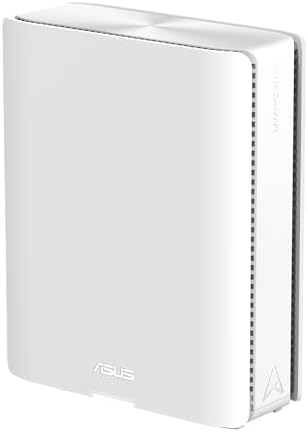
#1 – ASUS ZenWiFi BQ16 Pro Quad-Band WiFi 7 Mesh Router
Best for: users who need the latest WiFi 7 standard and a coverage area of up to 8,000 sq.ft. (2pk).
Why the ASUS ZenWiFi BQ16 Pro Quad-Band WiFi 7 Mesh Router is our #1 pick
- Listed at $579.99 in November 2026 – premium among those compared; the price moves, so check it
- 3.7 rating from 221 ratings
Coverage Area: 8,000 sq.ft.
To put that coverage area in context, pick #2 states 12,000 sq ft and pick #3 states 7,500 sq. ft..

#2 – ASUS ZenWiFi BQ16 Pro Quad-Band WiFi 7 Mesh Router
Best for: large estates requiring a 10G WAN port and a coverage area of up to 12,000 sq.ft. (2pk).
Why the ASUS ZenWiFi BQ16 Pro Quad-Band WiFi 7 Mesh Router is our #2 pick
- Listed at $1593.55 in November 2026 – premium among those compared; the price moves, so check it
Coverage Area: 12,000 sq ft · WAN Port Speed: 10G
For comparison on coverage area, pick #1 states 8,000 sq.ft. and pick #3 states 7,500 sq. ft..

#3 – Netgear RBK763S-100NAS Orbi Tri-Band WiFi 6 Mesh System
Best for: high-capacity needs with a 75-device limit and a coverage area of up to 7,500 sq.ft.
Why the Netgear RBK763S-100NAS Orbi Tri-Band WiFi 6 Mesh System is our #3 pick
- Listed at $174.98 in November 2026 – entry among those compared; the price moves, so check it
- 4.0 rating from 329 ratings
Coverage Area: 7,500 sq. ft. · Max Device Capacity: 75 devices
Against the other picks on coverage area, pick #1 states 8,000 sq.ft. and pick #2 states 12,000 sq ft.
How EB Servant picked: we started from the 135 most-reviewed mesh wifi system listings in our retail dataset, removed duplicates, accessories and off-category products, and 97 qualified. The picks on this page were selected from those 97 candidates against this topic’s requirements. The order of the picks reflects fit to this topic; each shows its rating and the number of ratings behind it, so you can weigh how much to trust it. Specifications come from manufacturer listings and ratings from verified Amazon buyer reviews (data checked November 2026).
Our Verdict and How We Chose
Homeowners with sprawling estates or multi-story houses often find that a single router cannot push a signal far enough to reach outdoor workspaces or detached garages. These environments require a multi-node system that can hand off devices seamlessly as you move between different zones of the property.
The ASUS ZenWiFi BQ16 Pro Quad-Band WiFi 7 Mesh Router is built for these large-scale environments, offering a 12,000 sq ft coverage area. For those needing a 2 Gbps WAN port at a lower price point, the Netgear RBK763S-100NAS Orbi Tri-Band WiFi 6 Mesh System is a practical choice.
We identified these options after screening 97 Mesh Wifi Systems and comparing 10 models here at EB Servant. These picks range from $174.98 to $1593.55, and the median price of the 10 products in our comparison is $217.99.
Understand the coverage scope of this specific roundup.
Follow the buying guide to choose the best model for your needs.
See which system fits you best in the audience checklist.
Consider how the eero 6+ performs for those seeking a simple, reliable home network.
Mesh Wifi Systems for Large Homes: The Short Version
- Top pick: ASUS ZenWiFi BQ16 Pro Quad-Band WiFi 7 Mesh Router at $579.99 (Coverage Area: 8,000 sq.ft.).
- Also picked: ASUS ZenWiFi BQ16 Pro Quad-Band WiFi 7 Mesh Router at $1593.55; Netgear RBK763S-100NAS Orbi Tri-Band WiFi 6 Mesh System at $174.98.
- We compared 10 Mesh Wifi Systems, from $149.98 to $1593.55, median $217.99.
- Best buyer rating in the comparison: TP-Link Smart Hub & Whole Home WiFi Mesh System at 4.5/5 from 605 ratings.
- Not covered by these picks: handle multi-gigabit fiber connections – needs 2.5 Gbps WAN Port, and none of the picks reaches it.
Mesh Wifi Systems for Large Homes Compared Side by Side
| Product | Price | Rating | total coverage area in square feet |
|---|---|---|---|
| ASUS ZenWiFi BQ16 Pro Quad-Band WiFi 7 Mesh Router | $579.99 | 3.7 (221 ratings) | 8,000 sq.ft. |
| ASUS ZenWiFi BQ16 Pro Quad-Band WiFi 7 Mesh Router | $1593.55 | 0.0 (0 ratings) | 12,000 sq ft |
| Netgear RBK763S-100NAS Orbi Tri-Band WiFi 6 Mesh System | $174.98 | 4.0 (329 ratings) | 7,500 sq. ft. |
| ASUS ZenWiFi XT9 AX7800 Tri-Band WiFi6 Mesh WiFi System | $460.34 | 0.0 (0 ratings) | 8550 sq ft |
| Meshforce M1 Mesh WiFi System | $175.99 | 0.0 (0 ratings) | 7500 square feet |
| TP-Link Deco XE70 Pro | $149.98 | 4.4 (3,925 ratings) | 5,500 Sq. Ft Coverage |
| NETGEAR Orbi Whole Home Mesh WiFi System RBK43 | $174.98 | 4.2 (973 ratings) | 6,000 square feet |
| TP-Link Smart Hub & Whole Home WiFi Mesh System | $152.99 | 4.5 (605 ratings) | 6,500 sq Ft |
| Netgear Orbi Whole Home Mesh WiFi System RBK53S-100NAS | $329.99 | 0.0 (0 ratings) | 7,500 sq. ft. |
| TP-Link Deco X90 | $259.99 | 4.5 (27,457 ratings) | 6000 square feet |
Prices are approximate and move frequently – check the current price before deciding.
Each Pick for Large Homes, Reviewed in Detail
The 3 picks below are reviewed in the same order as the cards above.
ASUS ZenWiFi BQ16 Pro Quad-Band WiFi 7 Mesh Router
The ASUS ZenWiFi BQ16 Pro Quad-Band WiFi 7 Mesh Router made this list because it offers high-speed WiFi 7 technology and an 8,000 sq.ft. coverage area for large properties.
What we like: This mesh router uses WiFi 7, the latest standard for high-performance hardware, to provide speeds up to 30,000 Mbps. The inclusion of 12 internal antennas and 16 high-power front-end modules supports a large coverage area of 8,000 sq.ft. for a 2-pack configuration.
Keep in mind: The 8,000 sq.ft. coverage area applies to a 2-pack, so you should confirm your home’s layout before assuming a single unit covers the entire space.
ASUS ZenWiFi BQ16 Pro Quad-Band WiFi 7 Mesh Router
This specific model is included for its 10G WAN port speed and massive coverage potential, making it a powerhouse for high-bandwidth needs in large homes.
What we like: A 10G WAN port allows the system to handle extremely high-speed internet inputs without bottlenecking the network. It also features WiFi 7 and quad-band connectivity to manage high-density traffic across a large area.
Keep in mind: This unit is priced at the $1,593.55 mark, which makes it a high-end investment for users who specifically require 10G infrastructure.
Netgear RBK763S-100NAS Orbi Tri-Band WiFi 6 Mesh System
The Netgear RBK763S-100NAS Orbi Tri-Band WiFi 6 Mesh System provides a high-value option for large homes with a 7,500 sq. ft. coverage area.
What we like: This system covers 7,500 sq. ft. and supports a max device capacity of 75 devices for homes with many connected electronics. It uses WiFi 6 technology to provide AX4200 gigabit speeds.
Keep in mind: The 2 Gbps WAN port speed is below the 2.5 Gbps reference figure that marks the threshold for handling multi-gigabit fiber connections without bottlenecking.
Which system offers the best value for a 5,000+ square foot home?
The Netgear RBK763S-100NAS Orbi Tri-Band WiFi 6 Mesh System offers the best value for a 5,000+ square foot home at the $174.98 price point. Value depends on the number of nodes included in your starter kit; this system covers 7,500 sq. ft. out of the box. If you require the highest possible speeds, the ASUS ZenWiFi BQ16 Pro Quad-Band WiFi 7 Mesh Router provides WiFi 7 for the latest high-performance hardware, though it requires a higher investment.
To determine the best fit for your property, count the number of rooms in your home and divide by 3 to estimate the number of nodes needed for consistent coverage. If your total is higher than the number of units in the pack, you will need to budget for additional satellites to avoid signal degradation.
The Specs That Decide a Mesh Router for Large Homes
Total coverage area requirements for large home mesh networks
You should prioritize a coverage area that exceeds your home’s footprint by at least 20% to account for signal attenuation from walls and floors. To determine how many nodes you need, divide your total square footage by the coverage area of a single unit, then add one extra node for every two floors or every three heavy interior walls. While Enterprise-grade Wi-Fi 6E/7 Access Points provide the performance ceiling for consumer-grade mesh hardware, these residential options provide sufficient reach for large estates by distributing the signal across multiple points.
How tri-band backhaul bandwidth maintains speeds across large distances
Select a system with tri-band backhaul, which is essential for maintaining speeds across large distances by providing a third radio lane for node-to-node communication. This is the primary difference between a tri-band and a dual-band system for a large house; a dual-band system shares the same radio for both your devices and the connection between nodes, which can cut available speeds in half. The ASUS ZenWiFi BQ16 Pro Quad-Band WiFi 7 Mesh Router offers quad-band connectivity to manage this traffic, while the Netgear RBK763S-100NAS Orbi Tri-Band WiFi 6 Mesh System utilizes a tri-band configuration. High-end Tri-Band systems (e.g., TP-Link Deco XE75) serve as the baseline for high-density and high-speed home networking, providing a standard for how much data can move between nodes without bottlenecking the rest of your network.
Maximum concurrent device handling for high-capacity residential mesh systems
Look for a device capacity that exceeds your expected household total by at least 20% to ensure smooth performance during peak usage. The Netgear RBK763S-100NAS Orbi Tri-Band WiFi 6 Mesh System supports 75 devices, which is a high capacity for a residential setup. When you first set up the mesh, you connect the main router to your modem, then pair the satellite nodes to create a unified network. As you move through your home, your phone automatically switches to the strongest node, maintaining a stable connection. This process ensures that high-bandwidth tasks like streaming or gaming remain fluid even as you move between rooms.
Wired Ethernet port density for hardwiring stationary home devices
Prioritize the number of physical ports based on how many stationary devices, like smart TVs or gaming consoles, you need to hardwire for maximum stability. The ASUS ZenWiFi BQ16 Pro Quad-Band WiFi 7 Mesh Router includes a USB port for 4G LTE and 5G mobile tethering, while the Netgear RBK763S-100NAS Orbi Tri-Band WiFi 6 Mesh System includes a 2 Gbps WAN port. Having a dedicated backhaul, which is critical for preventing bandwidth congestion in large homes, is often achieved by connecting these nodes together via Ethernet cables if the port density allows.
If you prefer a budget-friendly option, read our full Deco X55 review to see its performance.
For a more affordable entry point, view our spec breakdown of the Deco M5.
What Each Job Calls For vs What These Picks State
Match the job you actually need done to the figure it calls for, then check which picks state that figure or more. Where none do, the row says so.
| What you want to do | The figure it calls for | Picks at or above it |
|---|---|---|
| cover a large house | 7,500 sq. ft. | BQ16 Pro, BQ16 Pro, RBK763S-100NAS |
| handle multi-gigabit fiber connections | 2.5 Gbps WAN Port | none of these picks (requires enterprise-grade access points) |
| provide high-speed WiFi 7 coverage | WiFi 7 | BQ16 Pro, BQ16 Pro |
| support a high number of simultaneous devices | 75 devices | BQ16 Pro, BQ16 Pro, RBK763S-100NAS |
These figures are the levels this category is generally held to, not manufacturer claims. A pick at or above a figure states that number; how it reaches it and the rest of your setup still decide the job, so check them against your own workload before buying.
Who Buys Mesh Wifi Systems, and What It Really Costs
Who buys a mesh wifi system, and what each one needs
- Remote software engineers — 2.5 Gbps WAN Port to handle high-speed fiber internet inputs
- Smart home hobbyists — WiFi 6E (6GHz Band) to use a dedicated spectrum for devices
- Multi-story homeowners — Ethernet Backhaul (Wired) to connect nodes via cables for stability
- Content creators — High-end Tri-Band systems to manage high-density data traffic in large spaces
- Urban apartment dwellers — WiFi 6E (6GHz Band) to avoid frequency congestion from neighboring signals
What a mesh router really costs, and where to buy one
What to budget for on top of the mesh router
- Ethernet cabling — needed to establish a wired backhaul between nodes
- Power strips — needed to provide electricity to each mesh node
- Network switches — needed to expand wired ports for multiple wired devices
- Cat6 cables — needed to support multi-gigabit speeds between nodes
What you can leave out of the budget
- WiFi extenders — unnecessary because mesh nodes communicate with each other
- Separate range finders — unnecessary because mesh systems manage signal paths automatically
- External antennas — unnecessary because most modern mesh units have internal high-gain arrays
Where this kind of product is normally sold
- Online marketplaces — offers frequent bundling and competitive pricing for multi-node kits
- Electronics specialty stores — provides hands-on testing and immediate technical support
- Big-box retailers — offers easy returns and convenient local pickup options
What These Mesh Routers Need, and What to Check on Arrival
Requirements for mesh network installation
You need a power outlet for each unit to start the mesh network. These systems also require a connection to your existing internet source to begin the configuration process.
- The Netgear RBK763S-100NAS Orbi Tri-Band WiFi 6 Mesh System works with internet service providers up to 2Gbps.
- The ASUS ZenWiFi BQ16 Pro Quad-Band WiFi 7 Mesh Router provides a USB port for 4G LTE and 5G mobile tethering, allowing it to function without a traditional ISP connection if you have a mobile data plan.
- The ASUS ZenWiFi BQ16 Pro Quad-Band WiFi 7 Mesh Router supports Ethernet backhaul, which is the most reliable way to connect nodes in large estates by using an Ethernet Cable to provide a stable wired backhaul between nodes.
Verifying your mesh wifi system on arrival
Warranty and return policies differ by seller and country. Confirm these details before you begin the permanent setup of your hardware.
- Verify that all units power on and show active status lights to ensure no internal components were damaged during shipping.
- Check the physical ports on the ASUS ZenWiFi BQ16 Pro Quad-Band WiFi 7 Mesh Router to confirm the 10G WAN port is intact, as high-speed ports are the most expensive components to replace.
- Confirm the number of antennas and modules match the listing, as the ASUS ZenWiFi BQ16 Pro Quad-Band WiFi 7 Mesh Router features twelve internal antennas and sixteen high-power front-end modules.
- Test the signal reach from the primary node to ensure the coverage area meets your expectations for the layout of your large home.
Plug in the main unit and follow the initial setup instructions while the return window is still open.
Get answers to common inquiries in the FAQ.
Check the minimum requirements to ensure your home is compatible.
View our comparison table to see the specs side by side.
Buying Questions About Mesh Wifi Systems for Large Homes, Answered
Is there a monthly subscription fee for these mesh wifi systems?
No monthly subscription fee is required to access the base speeds or security features for the ASUS ZenWiFi BQ16 Pro Quad-Band WiFi 7 Mesh Router, the ASUS ZenWiFi BQ16 Pro Quad-Band WiFi 7 Mesh Router, or the Netgear RBK763S-100NAS Orbi Tri-Band WiFi 6 Mesh System. While these products offer optional services like AiProtection Pro or antivirus, the core hardware functionality and connection speeds do not require a recurring fee.
What happens to the connection if the main hub loses power?
If the main hub loses power, the mesh network loses its connection to the internet, as the primary node serves as the gateway for all satellite units. The ASUS ZenWiFi BQ16 Pro Quad-Band WiFi 7 Mesh Router and the Netgear RBK763S-100NAS Orbi Tri-Band WiFi 6 Mesh System will resume normal operation once power is restored to the main unit.
Which mesh wifi system provides the best coverage for a large home?
You might wonder if this coverage handles thick walls? The 12,000 sq ft figure measures the physical distance the signal reaches to help you place nodes effectively in a large estate.
Which mesh router supports the highest number of devices?
The ASUS ZenWiFi BQ16 Pro Quad-Band WiFi 7 Mesh Router and the other ASUS ZenWiFi BQ16 Pro Quad-Band WiFi 7 Mesh Router do not state a specific device limit in their specifications.
Browse our top picks for a quick overview of the best options.
Find instructions and warranty details in the setup and warranty notes.
Explore the detailed reviews for an in-depth look at every product.
You should also review the safety standards for mesh wifi to ensure your hardware meets industry requirements.
Who Should Skip These Mesh Routers
A device slows down or drops packets when you try to stream video in a far room while another person is gaming on a different node. This happens because of the Hidden Node Problem, which causes packet collisions when nodes cannot see each other’s transmissions. To avoid this, ensure your mesh nodes have a clear line of sight or are placed close enough to maintain a strong connection between them.
If you need to handle multi-gigabit fiber connections without bottlenecking, none of the mesh routers on this page reach the 2.5 Gbps WAN Port requirement. These systems are designed for high-capacity home coverage rather than enterprise-level fiber throughput.
If your requirements involve multi-gigabit fiber speeds or high-density enterprise networking, these mesh routers are the wrong tool for your infrastructure. You should look for enterprise-grade Wi-Fi 6E/7 Access Points that support 10 Gbps uplink speeds and professional-grade infrastructure.
The other mesh router guides we have published
- Choosing the Best Mesh WiFi System for Streaming
- Getting WiFi to Reach an Upstairs Bedroom With a Mesh WiFi System
- Which Mesh WiFi System Eliminates Dead Zones in a Large House?
- The Mesh WiFi Systems That Fix Slow Internet in a Home Office
- WiFi 6 Mesh Systems for Gaming Compared
- Choosing the Best Mesh WiFi System for Many Devices
Ebservant is reader-supported: some links on this page are affiliate links, and as an Amazon Associate Ebservant earns from qualifying purchases at no extra cost to you. Learn more.