

A portable tv is a compact television designed for mobility, featuring a screen that functions independently of a permanent home installation. You need a device that offers a display and internal processing to watch media in locations like campsites, vehicles, or small workspaces. To determine if a unit fits your specific needs, you should measure your intended viewing distance and ensure it is at least 3 feet from the screen to maintain comfortable viewing angles.
How portable TVs overcome the limitations of fixed-location entertainment
The problem this category solves is the limitation of fixed-location entertainment. Standard televisions require heavy furniture, permanent wall mounts, and consistent access to high-voltage household outlets. A portable tv removes these constraints by integrating power management and compact chassis designs, allowing for content consumption in environments where a standard television cannot physically fit or be powered.
Outdoor enthusiasts should explore the best portable tv for camping for durable viewing solutions.
How a Portable Tv Works
The operation of a portable tv follows a linear progression from signal input to visual output on the panel.
- The device receives a signal through an input source, such as an HDMI cable or an internal tuner.
- An internal processor decodes this data into a format the display can interpret.
- The power management system regulates the flow of electricity from a battery or an external power source to the components.
- The display panel illuminates the pixels to create the image based on the decoded data.
portable TVs we have reviewed in detail
Prices across these 3 run from $104.95 to $819.99; each one has a full review here.
Space-conscious viewers can find the best small tv for tiny apartments to maximize their floor plan.
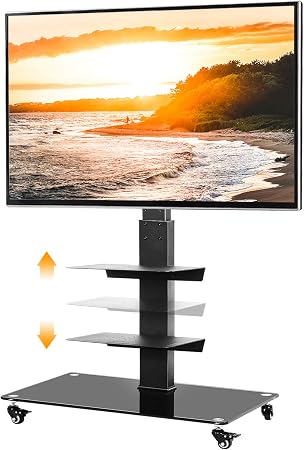


Parts and Stages That Matter to a Buyer
Understanding the specific hardware components of a portable tv helps you predict how the device will perform in different environments.
How nit counts affect portable TV viewing in bright conditions
Nits are the measurement of the maximum brightness level of the display. High nit counts allow you to see the screen clearly in outdoor settings or rooms with heavy sunlight. If you plan to use the device in a bright environment, you need to check the specific nit rating to ensure the image remains visible against the surrounding light.
You might also prefer a unit with integrated media by viewing the best portable tv with built-in dvd player.
12V DC Input for Vehicle Power
A 12V DC Input allows for a direct connection to vehicle power systems and solar arrays without the need for an inverter. This is a critical spec for users who want to run a portable tv in a van or truck, as it draws power directly from the vehicle’s electrical system. Without this specific input type, you would need to run a power inverter to convert the vehicle’s DC power into AC power, which adds complexity and potential points of failure.
HDMI 2.0 vs. HDMI 1.4 Compatibility
The choice between HDMI 2.0 and HDMI 1.4 determines the support for 4K resolution and HDR metadata in portable setups. HDMI 2.0 provides the bandwidth necessary for higher-resolution signals, while HDMI 1.4 may limit your content to lower resolutions or standard dynamic range. If you intend to connect a high-definition streaming stick, checking the HDMI version ensures the port can actually pass the data required for a sharp image.
For those who need power on the road, find the best 12V tv for travel in our guide.
DVB-T2 and ATSC 3.0 Tuner Standards
DVB-T2 and ATSC 3.0 are the standards that determine if the internal tuner can receive local broadcast signals without an external box. DVB-T2 is commonly used in Europe and parts of Africa, while ATSC 3.0 is the standard for digital television in North America. If you require over-the-air television, you must verify that the internal tuner supports the specific standard used in your region.
To see how the frame performs, look at our full Rfiver DTF4001WHT Stand review.
What a Portable Tv Changes in Practice
Owning a portable tv changes your ability to consume media by decoupling the screen from the wall. In a camping scenario, this means you can set up a viewing station near a tent or inside a vehicle, providing a much larger visual experience than a smartphone or tablet. In a workspace, it allows for a secondary screen that can be moved to different desks as needed.
Why portable TV processing power prioritizes consistent video playback
However, the difference does not show up in terms of raw processing power or high-end gaming capabilities. Because these units are built for mobility, they often have lower peak performance than a television of the same size that stays in one place. You should expect the device to handle standard video playback and basic streaming smoothly, rather than heavy 3D rendering or high-frame-rate gaming. The trade-off for portability is a focus on consistent playback rather than maximum processing speed.
For a stylish storage solution, view our full Elegant Accent Cabinet review.
How Does This Compare to Just Buying a Standard Pair of Bluetooth Headphones?
A portable tv provides a visual experience that headphones cannot replicate, regardless of audio quality. While headphones are for private, eyes-free listening, a portable tv is for shared visual media and large-scale content consumption. You choose a portable tv when the visual component of the media is the primary goal of your experience.
Is This a Better Deal Than Buying a Cheaper, Non-Locking Stand?
A portable tv is a better deal than a non-locking stand only if you require an integrated screen and playback system. A stand is a passive accessory that holds a device you already own, such as a tablet or a laptop. If you do not already have a screen to mount, a stand provides no value; if you do have a screen, a stand is the more economical choice for your specific needs.
Detailed specifications are available in our full Desobry 1401 TV review.
Is This a Better Deal Than a Fixed Wall Mount for a Mobile Setup?
A portable tv is a better deal than a fixed wall mount when your location changes frequently or you cannot drill into walls. Fixed wall mounts are superior for permanent installations where the screen never moves. If you are setting up a mobile office or a van interior where walls might be removed or the layout changed, the portability of a standalone unit outweighs the stability of a fixed mount.
Who Needs a Portable Tv and Who Does Not
You need a portable tv if your primary goal is to view media in locations where a standard television cannot be installed, such as in a van, a boat, or a rotating campsite. It is also a practical choice for users who need a secondary display that can be moved between different rooms or workspaces frequently.
Check out our full Maiproo MA1800 Stand review for a detailed breakdown.
Why a standard television is better for fixed-location viewing
You do not need a portable tv if you only watch television in a fixed location like a living room or bedroom. In those cases, a standard television provides a larger screen, better thermal management, and more robust internal components for a lower price per inch of screen. If your viewing habits are stationary, the added cost of a portable chassis offers no functional benefit over a standard home unit.
The other portable TV guides we have published
Ebservant is reader-supported: some links on this page are affiliate links, and as an Amazon Associate Ebservant earns from qualifying purchases at no extra cost to you. Learn more.